Whole-Home Surge Protection: Why It’s Cheap Insurance for Your Home
Modern homes are packed with expensive electronics — TVs, ovens, induction cooktops, heat pumps, WiFi systems, CCTV, EV chargers, alarms, garage motors… and most of it contains sensitive circuit boards.
The problem: power surges don’t need to be dramatic to do damage. A surge can reduce the lifespan of appliances over time, cause random faults, or wipe out equipment in a single event. Surge protection is one of those upgrades you rarely think about — until the day you really wish you had it.
If you’re in Sydney’s Northern Beaches (where storms and supply disturbances happen), surge protection is one of the simplest “sleep-better” add-ons you can make. NSW emergency advice even calls out protecting devices and appliances with surge protectors as part of storm preparation.
Do you need it? A quick checklist
Surge protection is worth strongly considering if you have any of the following:
-
You’ve got expensive appliances (induction, ducted AC, heat pump hot water, smart systems)
-
You run a home office with computers, network gear, NAS, etc.
-
You’ve installed solar, battery, or plan to
-
You’ve got an EV charger or plan to add one
-
Your area gets storms, or you’ve had flickers/outages
-
You have overhead supply (often higher exposure than underground)
-
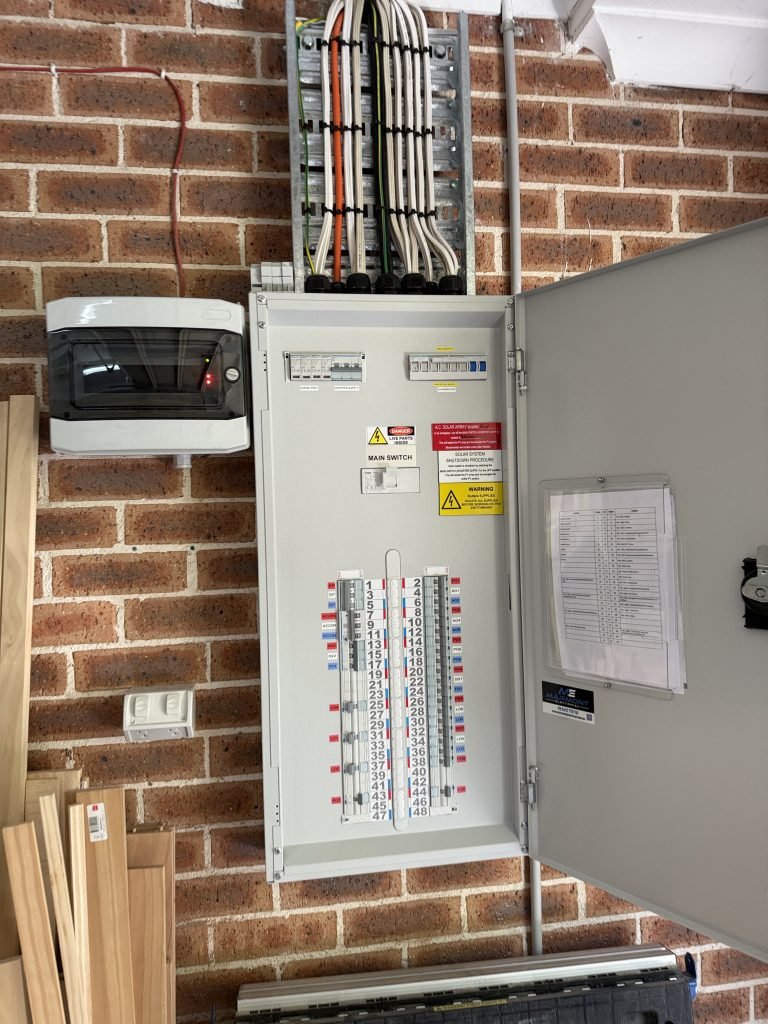
You’ve already invested in a new switchboard and want to protect what it feeds
NSW guidance for storm preparation is simple: protect devices and appliances with surge protectors as part of reducing storm damage risk.
How a proper installation should be done
This is where the difference between “installed” and installed properly matters.
A good surge protection setup should consider:
-
Correct device selection for the supply arrangement
-
Correct connection method and placement in the board
-
Device status indication / replacement strategy (SPDs can degrade after repeated surges)
-
Whether additional protection is needed for long cable runs to sensitive equipment (some guidance suggests extra protection where runs exceed ~10m)
What does surge protection cost?
Costs vary depending on:
-
Board space and condition
-
Single-phase vs three-phase
-
Type of SPD required (Type 2 vs Type 1+2)
-
Whether any switchboard tidy-up / compliance work is required
But in most homes it’s far cheaper than replacing one major appliance, let alone multiple electronics after a bad event — which is exactly why people call it “cheap insurance”.
Want surge protection installed in your home?
At Marmont Electrical, we can:
-
Assess your switchboard and home risk factors
-
Recommend the right level of surge protection (not one-size-fits-all)
-
Install and test the system properly, with clear labelling and neat workmanship
Call: 0437 770 741
Email: daniel@marmontelectrical.com.au
Service area: Frenchs Forest + Northern Beaches + North Shore Sydney
If you’d like, send a photo of your switchboard and we’ll tell you if surge protection can be added and what level makes sense.
FAQ
Does surge protection guarantee nothing will ever be damaged?
No system is a 100% guarantee — but it reduces risk and helps limit the impact of many common surge events.
Is surge protection mandatory in NSW?
It’s not universally mandatory for every home — it’s commonly treated as risk-based, with guidance in the wiring rules ecosystem referenced by industry sources.
Do I still need plug-in surge protectors?
Often yes — layered protection is best, especially for sensitive electronics (TVs, computers, networking).
What is a power surge (and where do they come from)?
A power surge is a short spike in voltage on your electrical supply. It can be caused by:
-
Storm activity / lightning nearby (even without a direct strike to your home)
-
Switching events on the network (transformers, large loads turning on/off)
-
Internal switching loads in and around the home (motors, compressors, etc.)
Manufacturers of surge protection devices describe these as common real-world sources that can lead to equipment “logic failures”, downtime, or damage.
Why surge protection is “cheap insurance”
Most homeowners happily insure the house and car — but leave thousands of dollars of electronics exposed to electrical spikes.
Whole-home surge protection is “cheap insurance” because:
-
It’s one upgrade that helps protect everything connected to your switchboard (not just one power point)
-
It can reduce the chance of multiple appliances being affected during storm season or network disturbances
-
It’s usually installed during a switchboard upgrade or added into an existing board (space permitting)
And importantly: surge protection isn’t positioned as mandatory in every situation — it’s a risk-based decision. Guidance tied to AS/NZS 3000 references installing SPDs under certain conditions (for example where lightning is prevalent or disturbances are frequent).
“But I already have a surge-protected powerboard…”
Good start — but it’s not the same thing.
Powerboards typically protect only what’s plugged into them, and only after the surge has already entered the home wiring.
A switchboard surge protection device (SPD) is designed to clamp surges closer to the source — at the board — so the surge energy is reduced before it spreads through the circuits.
Best practice is layered protection:
-
Whole-home (switchboard) surge protection
-
Point-of-use protection for the most sensitive or expensive devices (TV, office, theatre, etc.)
-
Data/communications protection where needed (NBN/antenna/CCTV) depending on the setup
Best practice is layered protection:
-
Whole-home (switchboard) surge protection
-
Point-of-use protection for the most sensitive or expensive devices (TV, office, theatre, etc.)
-
Data/communications protection where needed (NBN/antenna/CCTV) depending on the setup
Types of surge protection (in plain English)
Type 2 (most common for homes)
Installed in the switchboard to reduce surges coming from the supply and switching events. (This is the one most homeowners mean when they say “whole-home surge protection”.)
Type 1 or Type 1+2 (for higher exposure)
Used where the installation has higher lightning exposure or certain supply configurations. This is something a licensed electrician assesses based on the property and supply details.